AI Agents Broke the Old Security Model. AI-SPM…
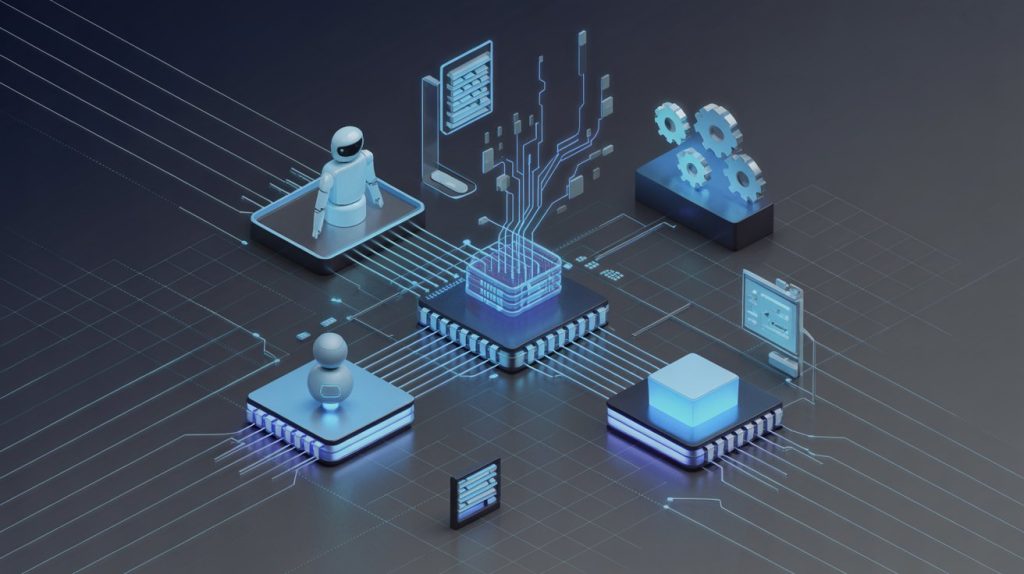
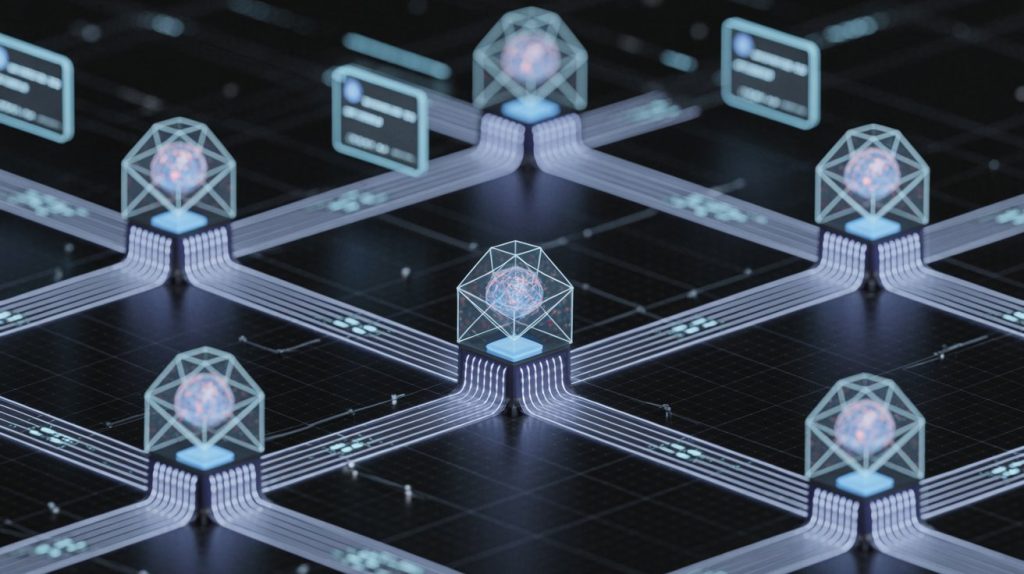
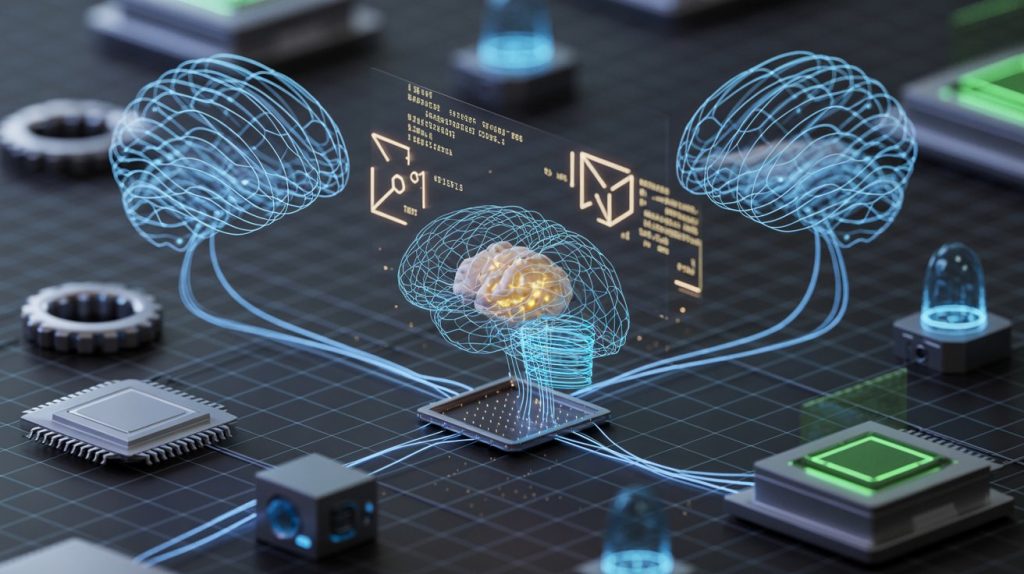
AI Agents Broke the Old Security Model. AI-SPM Is the First Attempt at Catching Up. A workflow agent is deployed to summarize inbound emails, pull relevant policy snippets from an internal knowledge base, and open a ticket when it detects a compliance issue. It works well until an external email includes hidden instructions that influence the agent’s tool calls. The model did not change. The agent’s access, tools, and data paths did. Enterprise AI agents are shifting risk from the model layer to the system layer: tools, identities, data connectors, orchestration, and runtime controls. In response, vendors are shipping AI Security Posture Management (AI-SPM) capabilities that aim to inventory agent architectures and prioritize risk based on how agents can act and what they can reach. (Microsoft) Agents are not just chat interfaces. They are software systems that combine a model, an orchestration framework, tool integrations, data retrieval pipelines, and an execution environment. In practice, a single “agent” is closer to a mini application than a standalone model endpoint. This shift is visible in vendor security guidance and platform releases. Microsoft’s Security blog frames agent posture as comprehensive visibility into “all AI assets” and the context around what each agent can do and what it is connected to. (Microsoft) Microsoft Defender for Cloud has also expanded AI-SPM coverage to include GCP Vertex AI, signaling multi-cloud posture expectations rather than single-platform governance. (Microsoft Learn) At the same time, cloud platforms are standardizing agent runtime building blocks. AWS documentation describes Amazon Bedrock AgentCore as modular services such as runtime, memory, gateway, and observability, with OpenTelemetry and CloudWatch-based tracing and dashboards. (AWS Documentation) On the governance side, the Cloud Security Alliance’s MAESTRO framework explicitly treats agentic systems as multi-layer environments where cross-layer interactions drive risk propagation. (Cloud Security Alliance) How the Mechanism Works AI-SPM is best understood as a posture layer that tries to answer four questions continuously: Technically, many of these risks become visible only when you treat the agent as an execution path. Observability tooling for agent runtimes is increasingly built around tracing tool calls, state transitions, and execution metrics. AWS AgentCore observability documentation describes dashboards and traces across AgentCore resources and integration with OpenTelemetry. (AWS Documentation) Finally, tool standardization is tightening. The Model Context Protocol (MCP) specification added OAuth-aligned authorization requirements, including explicit resource indicators (RFC 8707), which specify exactly which backend resource a token can access. The goal is to reduce token misuse and confused deputy-style failures when connecting clients to tool servers. (Auth0) Analysis: Why This Matters Now The underlying change is that “AI risk” is less about what the model might say and more about what the system might do. Consider a multi-agent expense workflow. A coordinator agent receives requests, a validation agent checks policy compliance, and an execution agent submits approved payments to the finance system. Each agent has narrow permissions. But if the coordinator is compromised through indirect prompt injection (say, a malicious invoice PDF with hidden instructions), it can route fraudulent requests to the execution agent with fabricated approval flags. No single agent exceeded its permissions. The system did exactly what it was told. The breach happened in the orchestration logic, not the model. Agent deployments turn natural language into action. That action is mediated by: This shifts security ownership. Model governance teams can no longer carry agent risk alone. Platform engineering owns runtimes and identity integration, security engineering owns detection and response hooks, and governance teams own evidence and control design. It also changes what “posture” means. Traditional CSPM and identity posture focus on static resources and permissions. Agents introduce dynamic execution: the same permission set becomes higher risk when paired with autonomy and untrusted inputs, especially when tool chains span multiple systems. What This Looks Like in Practice A security team opens their AI-SPM dashboard on Monday morning. They see: The finding is not that the agent has a vulnerability. The finding is that this combination of autonomy, tool access, and external input exposure creates a high-value target. The remediation options are architectural: add an approval workflow for refunds, restrict external input processing, or tighten retrieval-time access controls. This is the shift AI-SPM represents. Risk is not a CVE to patch. Risk is a configuration and capability profile to govern. Implications for Enterprises Operational implications Technical implications Risks and Open Questions AI-SPM addresses visibility gaps, but several failure modes remain structurally unsolved. Further Reading